October 27, 2026
Understanding Impacted Wisdom Teeth Removal
By @remingtonitcr188
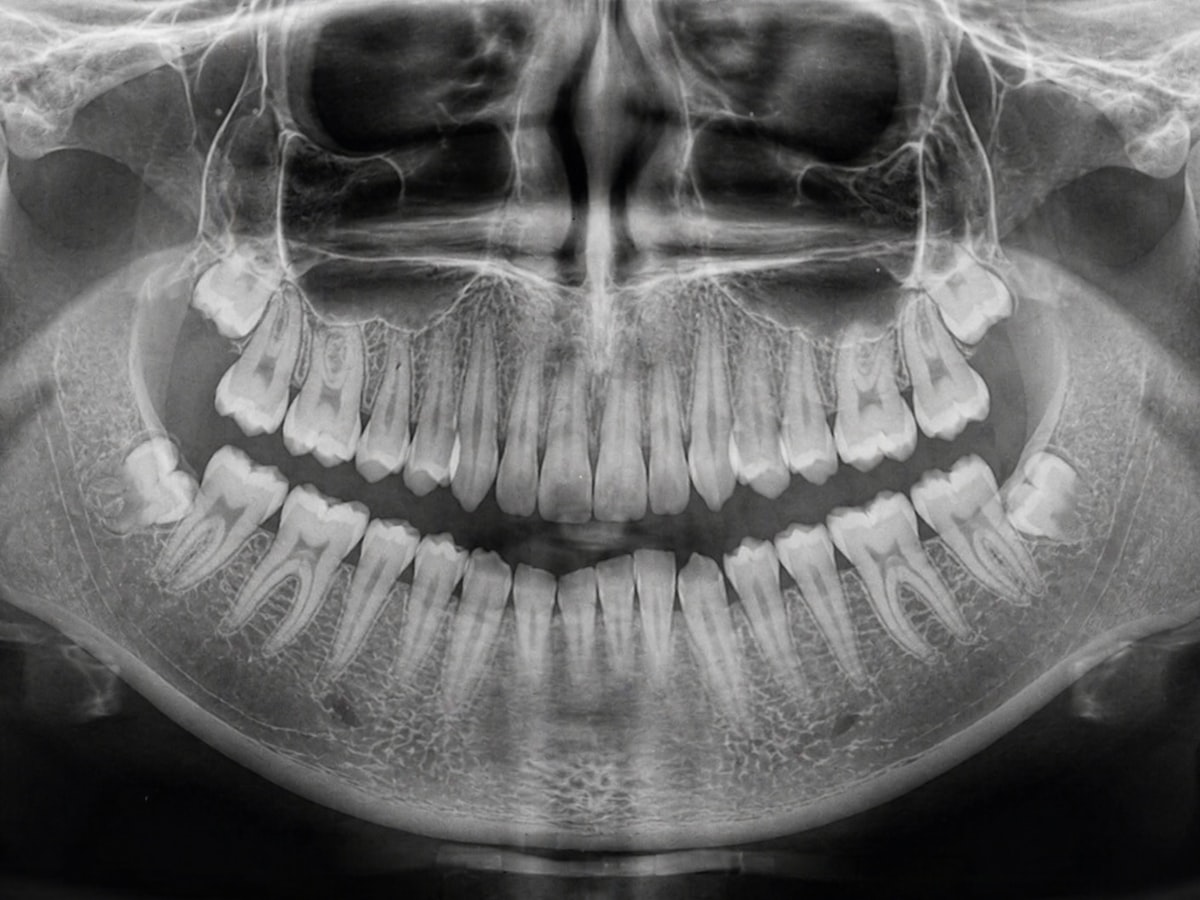
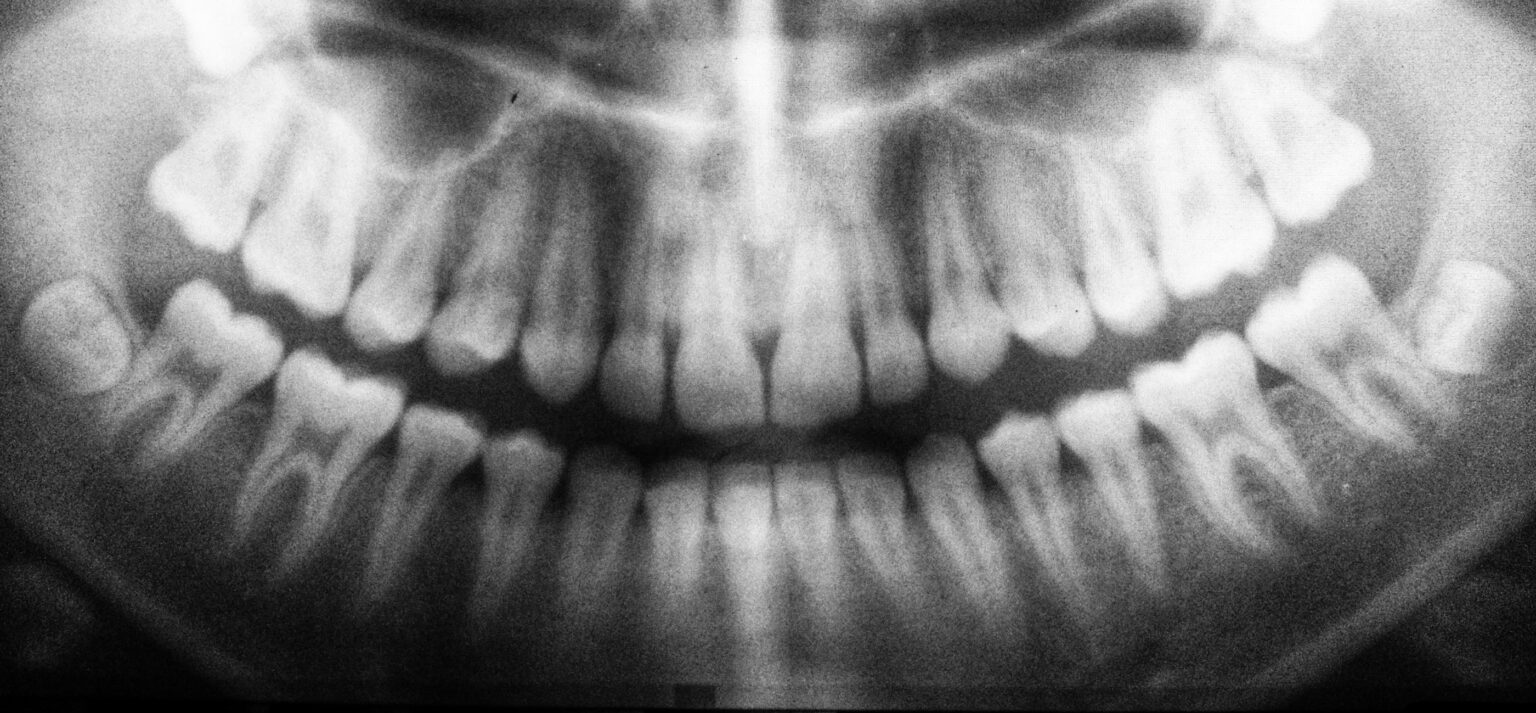
Wisdom teeth have a way of becoming a bigger issue than people expect. For some, they erupt quietly in the late teens or early twenties and never cause a problem. For many others, they arrive partway, press into the tooth ahead of them, or stay trapped under the gums and bone. That is when the conversation shifts from routine dental care to impacted wisdom teeth removal, and it often comes with a mix of anxiety, conflicting advice, and a lot of questions.
The subject is worth understanding because wisdom teeth problems rarely improve on their own once symptoms begin. A sore jaw, swollen gum, bad taste, or pressure behind the molars can seem minor at first. In practice, those early signs can point to a tooth that lacks room to erupt properly, a flap of gum that traps food and bacteria, or pressure that makes the area difficult to clean. Once infection, decay, or damage to a neighboring tooth enters the picture, treatment usually becomes more urgent and recovery can feel less straightforward.
A clear explanation helps. Impacted wisdom teeth removal is not just about “pulling a tooth.” The position of the tooth matters. The depth matters. The angle matters. So does the patient’s age, health, bone density, sinus anatomy in the upper jaw, and how close the roots sit to the main nerve in the lower jaw. Good treatment planning is really about balancing benefit, timing, and risk.
What “impacted” actually means
A wisdom tooth is called impacted when it does not have a normal path to erupt into a usable position. Sometimes it remains completely buried in bone. Sometimes part of the crown breaks through the gum while the rest stays trapped. In other cases, the tooth grows at an angle and leans into the second molar rather than rising upright.
That last pattern is one of the most common reasons people need Wisdom Teeth Removal. A tooth that sits sideways or at a steep angle can create a stubborn food trap where the wisdom tooth and second molar meet. That area is difficult to brush and nearly impossible to floss well. Over time, decay can develop in either tooth. I have seen patients who came in worried about the back wisdom tooth, only to learn that the real long-term concern was a cavity or root damage on the healthy molar in front of it. Saving that second molar is often the stronger reason for treatment.
Impaction is usually described by position. A mesioangular impaction tilts forward toward the second molar. A vertical impaction points mostly upward but remains blocked. A horizontal impaction lies almost on its side. A distoangular impaction leans backward. These labels matter because they help predict surgical difficulty and risk. A shallow, partially erupted tooth is often simpler to remove than a deeply embedded tooth wrapped in dense lower jaw bone.
Why wisdom teeth become a problem
Jaw size varies from person to person, and there is often not enough room at the very back of the mouth for a third molar to erupt into a functional position. Even when there is technically space, the eruption path may still be poor. The tooth may push against gum tissue, erupt only halfway, or emerge in a position that makes it impossible to keep clean.
The complications tend to fall into a few familiar patterns. One is pericoronitis, which is inflammation and infection of the gum around a partially erupted wisdom tooth. Patients often describe it as tenderness when chewing, a swollen flap of tissue, or a bad taste that keeps coming back. Another is decay. Because wisdom teeth sit so far back, plaque removal is harder there even under ideal conditions. Add a tilt, crowding, and limited access, and cavities become much more likely.
Pressure and pain are also common, though not every impacted tooth hurts. That can be confusing. A person may have severe swelling from one partially erupted lower wisdom tooth, while another deeply impacted tooth on the other side remains silent for years. Lack of pain does Wisdom Teeth Removal not always mean lack of risk. Dentists look at the whole picture, including x-rays, periodontal health, and the condition of neighboring teeth.
There is another nuance many patients appreciate once it is explained: removing wisdom teeth does not magically prevent all future crowding in the front teeth. The relationship between wisdom teeth and late lower incisor crowding is more complicated than popular belief suggests. Teeth can shift with age even in people who never had wisdom teeth. If a dentist recommends removal, the strongest reasons are usually local disease, likely damage to the second molar, recurring infection, cystic change around the tooth, or poor eruption potential, not a blanket promise about preserving perfect alignment.
When removal makes sense, and when watchful monitoring may be reasonable
Not every impacted wisdom tooth needs surgery immediately. That is important to say plainly. Some fully buried teeth stay stable for years and can be monitored with periodic examinations and imaging. If the tooth is not causing symptoms, shows no sign of disease, and is not threatening the adjacent tooth, careful observation may be appropriate.
Still, there are situations where removal becomes the more sensible choice. Recurring infection is a strong one. So is gum disease or decay affecting the second molar because of the wisdom tooth’s position. Cysts are less common, but when a fluid-filled sac around an impacted tooth enlarges, removal is usually indicated. Orthodontic or restorative plans can matter as well. If a patient needs major dental work nearby, an impacted wisdom tooth may complicate access or long-term stability.
Timing matters more than people often realize. Removal in the late teens or early twenties is frequently easier than removal later in adulthood. Younger patients tend to heal faster, roots may be less fully formed, and the surrounding bone is often less dense. That does not mean adults in their thirties, forties, or beyond cannot have safe surgery. They can, and many do. It does mean the procedure may be more technically demanding and the recovery a little less forgiving.
How the evaluation is done
A proper evaluation usually begins with symptoms, medical history, and imaging. A panoramic x-ray is often the first major step because it shows all the teeth, roots, jawbone, and important structures in one view. In more complex lower wisdom teeth cases, especially when roots appear close to the inferior alveolar nerve, a three-dimensional scan may be recommended. That scan can clarify whether the nerve lies beside, below, or between the roots, which affects planning and consent.
Dentists and oral surgeons also assess mouth opening, gum condition, active infection, sinus history, medications, and any health conditions that may change healing or bleeding risk. Patients taking blood thinners, those with uncontrolled diabetes, pregnant patients, and individuals with immune compromise often need a more tailored plan. The goal is not simply to schedule surgery, but to choose the safest path.
One practical detail patients appreciate hearing early is that upper and lower wisdom teeth behave differently. Upper teeth can be simpler to remove because the surrounding bone is often less dense. However, their roots may sit near the sinus. Lower teeth are commonly more challenging because the bone is denser and the main sensory nerve runs nearby. This is why two teeth that look “the same” to a patient can carry very different surgical considerations.
What happens during impacted wisdom teeth removal
The procedure itself depends on the tooth’s position. Some erupted wisdom teeth can be removed with a standard extraction. Impacted teeth often require a surgical approach. That usually means local anesthetic to numb the area, followed by a small incision in the gum to expose the tooth. If bone covers the tooth, a controlled amount is removed. If the tooth is awkwardly shaped or trapped under bone, it may be sectioned into Wisdom Teeth Removal smaller pieces for safer removal.
Sectioning sounds alarming to patients until it is explained properly. It is not a sign that something has gone wrong. It is often the more conservative approach because it reduces the amount of bone removal and lowers the force needed to take the tooth out. Less force can mean less trauma to the surrounding structures.
Sedation is another part of the discussion. Some patients do well with local anesthetic alone. Others strongly prefer nitrous oxide, oral sedation, or intravenous sedation because of anxiety, a difficult impaction, or the need to remove multiple wisdom teeth in one visit. The right choice depends on the surgical complexity, medical history, and the patient’s comfort level. There is no badge of honor in white-knuckling a procedure that could be managed more calmly and safely with appropriate sedation.
Most removals take less time than patients expect. A straightforward single tooth may take only minutes once anesthetic is working. A deeply impacted lower tooth can take longer, particularly if access is limited or roots are close to the nerve. The appointment may feel longer because of preparation, sedation, and recovery monitoring, but the active surgery itself is often quite efficient in experienced hands.
Risks, in plain language
Every surgical procedure has trade-offs, and impacted wisdom teeth removal is no exception. The useful conversation is not about whether risk exists, but how likely it is and how it is managed.
Swelling, soreness, and limited jaw opening are common in the first several days. Bleeding or oozing is expected early on and usually settles with pressure and time. Dry socket, which is a painful loss or breakdown of the blood clot in the socket, is a well-known complication, especially in lower wisdom teeth. Infection can occur, though good surgical technique and careful aftercare reduce that risk.
Nerve irritation is the complication people most often worry about with lower wisdom teeth. The inferior alveolar nerve supplies feeling to the lower lip and chin. The lingual nerve affects sensation to part of the tongue. When a tooth’s roots lie very close to these structures, temporary numbness or tingling can happen, and permanent change, while much less common, is part of informed consent. This is one reason imaging and surgical planning matter so much.
For upper wisdom teeth, sinus communication is a potential issue if roots sit near the floor of the sinus. Small openings often heal well with the right precautions. Larger ones may need repair. Again, the point is not alarm, but perspective. An experienced clinician anticipates these possibilities before the day of surgery.
Preparing well makes recovery easier
Patients often focus on the procedure and underestimate the value of preparation. The smoothest recoveries tend to come from simple, unglamorous planning done in advance. Have the medications filled before the appointment. Set up soft foods at home. Make sure transportation is arranged if sedation is planned. Clear the schedule enough to allow actual rest rather than trying to squeeze surgery between work meetings.
A short pre-surgery checklist helps more than a stack of generic advice:
- Follow fasting instructions exactly if sedation is planned.
- Wear comfortable clothing and avoid heavy makeup or bulky jewelry.
- Pick up prescribed medications before the procedure.
- Stock soft foods such as yogurt, soup, eggs, oatmeal, and smoothies eaten with a spoon.
- Arrange for a responsible adult to drive and stay with you if the clinic requires it.
These steps sound ordinary because they are. They also prevent a surprising number of avoidable problems, especially after sedation, when even simple errands become difficult.
The first week after surgery
Recovery has a rhythm. The first twenty-four hours are mostly about clot stability, bleeding control, and rest. Mild bleeding or pink saliva is common. Ice packs usually help with swelling during the first day. By the second and third days, swelling often peaks. That worries patients who expect steady improvement from hour one, but a temporary increase in swelling is normal. Pain should be manageable with the plan provided by the treating clinician, which may include ibuprofen, acetaminophen, or in some cases a stronger short-course medication.
Eating takes some judgment. Most people do best with cool or lukewarm soft foods at first. Very hot foods, sharp foods, and anything crumbly that packs into the sockets can be frustrating. Hydration matters, but straws are usually avoided in the early period because the suction may disrupt the clot. Gentle mouth care matters too. Patients should not scrub the surgical area immediately, but they should keep the rest of the mouth clean and follow the surgeon’s rinsing instructions.
By day four or five, many people feel noticeably better, though the jaw may still be stiff and chewing may still be limited. Sutures, if used, may dissolve on their own or be removed later depending on the material. It is wise to remember that “feeling better” is not the same as “fully healed.” The gum closes before the deeper tissues mature, and lower wisdom tooth sockets can take several weeks to fill in more completely.
What can go wrong during recovery, and what deserves a phone call
Most recoveries are routine. The challenge is knowing which problems are expected discomfort and which need attention. Some warning signs are worth acting on promptly:
- Bleeding that remains heavy despite firm gauze pressure.
- Swelling that keeps worsening after several days, especially with fever.
- Increasing pain after initial improvement, particularly with a bad taste or odor.
- Trouble swallowing, trouble breathing, or severe mouth opening limitation.
- New or persistent numbness that concerns you.
Dry socket deserves special mention because patients hear about it often and usually in dramatic terms. It tends to cause deep, throbbing pain a few days after extraction, more commonly in the lower jaw. The pain may radiate to the ear and can feel out of proportion to what the mouth looks like. It is treatable, but it usually requires the office to evaluate the area and provide care. It is not a failure on the patient’s part. Some risk factors, such as surgical difficulty and anatomy, are not fully under personal control.
Questions patients often ask, and the judgment behind the answers
One common question is whether all four wisdom teeth should be removed at once. Often the answer is yes if all four are likely to become problematic and the patient prefers one period of recovery. That approach can be efficient and cost-effective. On the other hand, if only one or two teeth are truly diseased, staged treatment may be more reasonable. The best answer depends on anatomy, budget, work schedule, childcare demands, and tolerance for downtime.
Another frequent question is whether antibiotics are always necessary. Not always. If there is an active infection, significant swelling, or certain medical factors, they may be appropriate. For routine cases, many clinicians use them selectively rather than automatically. Overuse of antibiotics is not harmless, so individualized prescribing is better than blanket habit.
People also ask whether they are “too old” for wisdom teeth removal. Usually not. Surgery can still be very worthwhile later in life, particularly if the wisdom tooth is harming the second molar or causing infection. What changes with age is not the basic ability to have the procedure, but the complexity of healing and the importance of careful planning.
Then there is the practical concern about work and school. For a single uncomplicated extraction, some patients return to light activity the next day. For multiple impacted teeth, a few days off is often the wiser plan. If the job is physically demanding, longer may be needed. It is far easier to cancel unused recovery time than to function badly while swollen, sore, and under-slept.
The value of choosing the right clinician
Not every wisdom tooth case belongs in the same setting. Many general dentists comfortably remove straightforward wisdom teeth and do it well. More difficult impactions, especially lower teeth near the nerve, very deep bony impactions, or patients needing intravenous sedation, are often best managed by an oral and maxillofacial surgeon. Referral is not a sign of weakness. It is good judgment.
Experience shows up in small but meaningful ways. It appears in how clearly imaging is interpreted, how honestly risk is explained, how gently tissue is handled, and how well the team prepares patients for the recovery they are actually going to have. Patients remember that. They remember whether the office explained why day three might feel worse than day one, whether someone answered the phone when swelling scared them, and whether the plan felt tailored rather than generic.
Cost enters the decision too, and it should be discussed openly. Surgical fees vary with tooth position, sedation method, region, and insurance coverage. A partially erupted upper wisdom tooth under local anesthetic is not in the same category as four deeply impacted teeth removed under intravenous sedation. Itemized estimates help patients understand what they are paying for and compare care responsibly.
The bigger picture
Impacted wisdom teeth removal sits at the intersection of prevention and treatment. Sometimes surgery is done to stop active pain or infection. Sometimes it is done because the x-rays and clinical findings show a high likelihood of future damage if the tooth stays. Both are legitimate reasons, provided the recommendation is grounded in real findings and not habit alone.
Patients make better decisions when they understand that the goal is not simply extraction, but preserving the long-term health of the mouth. Protecting the second molar, avoiding recurrent infection, preventing difficult-to-clean pockets at the back of the jaw, and reducing the chance of more serious pathology later, those are the reasons the topic matters.
For anyone facing the prospect of Wisdom Teeth Removal, the most useful next step is a careful evaluation and a conversation that leaves room for real questions. Not every impacted tooth behaves the same way. Not every patient needs the same timing or the same type of anesthesia. A good plan reflects that. It replaces vague dread with specifics, and that alone makes the process easier to manage.
Oxnard Dentistry
1730 E Gonzales Rd, Oxnard, CA 93036, United States
+1 805-307-8731
FAQ About Wisdom Teeth Removal
How painful is it to remove a wisdom tooth?
Local anesthetic numbs the area during extraction. Pressure may still be noticeable; tell the dentist if you feel pain. Soreness and swelling afterward are common. Follow the pain-control instructions provided for your situation.
How long is recovery for wisdom teeth extractions?
Recovery varies with the tooth position and complexity of the extraction. Some people resume routine activities quickly, while others need several days of rest. Soreness, swelling and jaw stiffness can last up to two weeks. Follow your clinician's aftercare and activity advice.
What are the risks of wisdom tooth removal?
Possible complications include dry socket, infection, persistent bleeding and changes in sensation from nearby nerve injury. Your dentist or oral surgeon should explain your individual risks before treatment. Seek prompt dental advice for bleeding that will not stop, fever, or severe or worsening pain and swelling.
❧