November 23, 2026
The Most Common Reasons Patients Choose Veneers Oxnard CA
By @remingtonitcr188
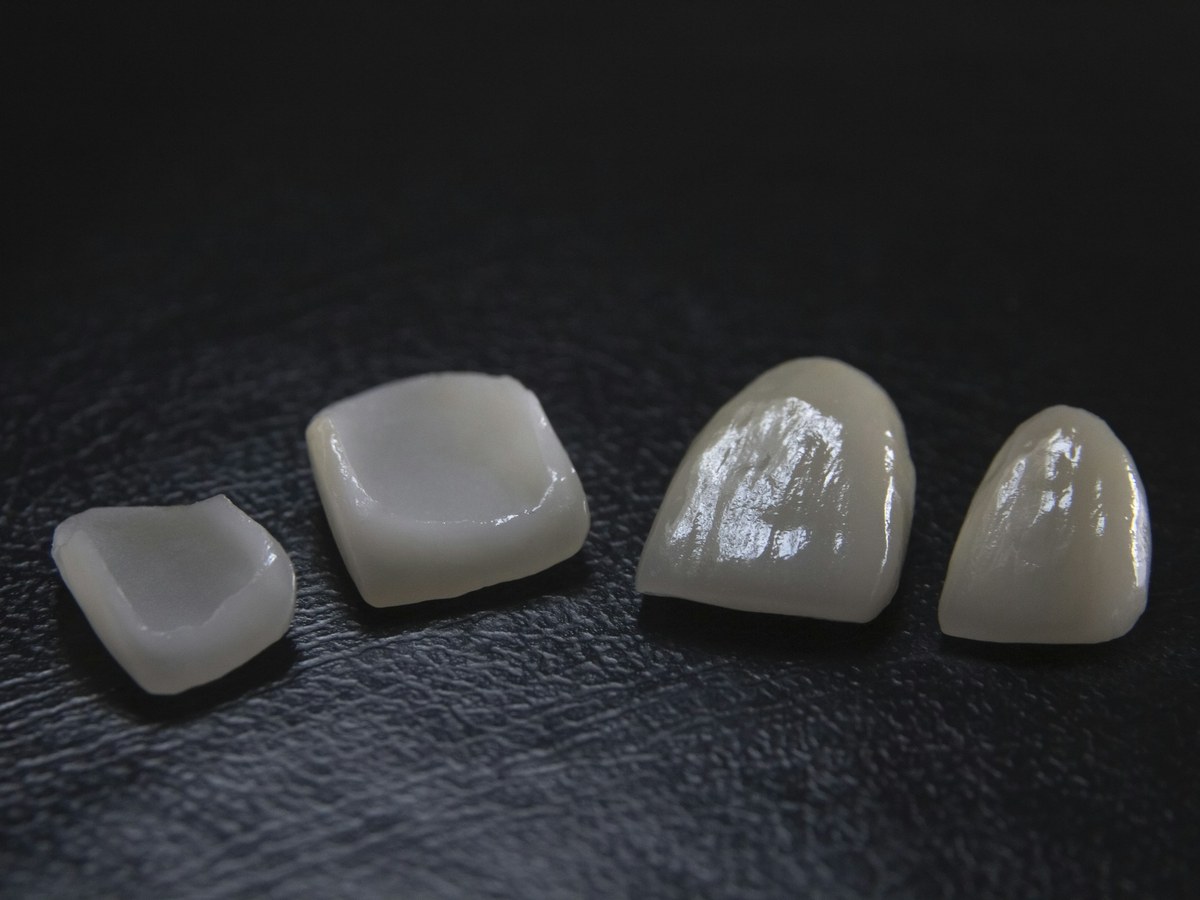
A cosmetic dentistry consultation often starts with a sentence that sounds simple on the surface: “I just want to like my smile again.” Once the conversation opens up, the reasons are usually more specific, and more personal, than people expect. One patient is tired of seeing a chipped front tooth in every family photo. Another has spent years whitening teeth that never seem to brighten evenly. Someone else had braces years ago, but still notices small shape differences and gaps that draw the eye.
That is why veneers remain such a popular option. People are not usually asking for a dramatic, movie-set transformation. Most want a result that looks believable, healthy, and proportionate to their face. When done thoughtfully, veneers can solve several cosmetic concerns at once, often with less treatment time than orthodontics or repeated whitening efforts.
For patients considering Veneers Oxnard CA, the decision usually comes down to a handful of recurring motivations. The details vary from case to case, but the themes are familiar to any dentist who discusses smile design regularly.
Why small flaws can feel bigger than they look
Dentists see this all the time: a minor imperfection that barely registers to other people can become the only thing a patient notices. A hairline chip on a central incisor, a tooth that angles inward just slightly, a patchy white-brown discoloration that catches light differently than the neighboring teeth, these can become daily sources of self-consciousness.
The front teeth occupy a very visible space. They show when people speak, laugh, greet clients, pose for photos, and even rest their lips slightly apart. Because of that, small irregularities can seem magnified. Patients often describe changing how they smile, covering their mouth when laughing, or avoiding close-up photos. The emotional side of cosmetic dentistry is easy to underestimate until you hear how often this comes up.
Veneers appeal to these patients because they offer control. Instead of trying to camouflage one issue at a time, veneers can refine shape, color, proportion, and surface appearance in a coordinated way. That is often the difference between “better” and “exactly what I was hoping for.”
Stains that whitening cannot fix
One of the most common reasons patients ask about veneers is discoloration that does not respond well to bleaching. Whitening works best on certain types of external stains, especially those caused by coffee, tea, red wine, or tobacco over time. But not all discoloration behaves the same way.
Veneers Oxnard CATeeth can darken from old trauma, developmental changes, prior dental work, medications, or internal staining that sits deeper within the tooth structure. In those situations, whitening may produce partial improvement, but not a uniform result. A patient may whiten several times and still see one darker tooth, grayish edges, or banding that remains stubbornly visible.
This is where veneers often make sense. Rather than trying to force a difficult tooth to respond to bleach, a veneer can mask the color problem and create consistency across the smile. The result is often more predictable, especially when the concern affects a few teeth in the aesthetic zone.
There is also a practical side to this choice. Many patients are tired of cycling through whitening strips, custom trays, touch-up gels, and over-the-counter products that deliver modest changes at best. Veneers are not the right answer for everyone, but for someone who has chased brightness for years with limited success, they can be a relief.
Chipped and worn teeth that make a smile look older
Wear tells a story. Sometimes that story is normal aging. Sometimes it reflects grinding, clenching, acidic beverages, nail biting, or years of hard use. However it develops, wear tends to flatten the edges of front teeth and soften the crisp details that make a smile look youthful.
A chipped edge may seem minor in clinical terms, but visually it can change the entire balance of a smile. Front teeth with uneven lengths catch attention quickly. So do incisal edges that look rough, translucent in an irregular way, or blunted from grinding. Patients often say their teeth look “short” or “tired,” even when they cannot pinpoint why.
Veneers can restore that lost architecture. Length, edge shape, and surface texture can be rebuilt with a level of precision that bonding may not always match over the long term. For the right patient, this creates a fresher appearance without making the smile look artificial.
That said, good planning matters. If heavy grinding caused the wear in the first place, veneers alone are not the entire answer. The bite needs to be evaluated, and many patients will need a night guard afterward to protect their investment. Cosmetic dentistry works best when the functional habits are addressed, not ignored.
Gaps and mild misalignment without years of orthodontics
Orthodontic treatment is often the most conservative way to move teeth, and in many cases it is still the best option. But not every patient wants braces or aligners, especially when the issue is relatively minor and limited to the visible front teeth.
Small gaps, slight rotations, uneven widths, and subtle asymmetry are classic veneer conversations. A patient may have one lateral incisor that looks undersized, leaving spacing on one side. Another may have front teeth that are healthy but not harmonious in shape. Some people completed orthodontics as teenagers but still dislike the final proportions of their teeth.
Veneers can visually close spaces and create better symmetry without physically moving the teeth much, if at all. That distinction is important. Veneers are a cosmetic correction, not tooth movement. In carefully selected cases, they create the appearance of alignment by altering the visible surfaces.
Patients often choose this route because it is faster and more targeted than orthodontics. A person preparing for a wedding, public-facing career change, or major life event may prefer a cosmetic solution that addresses a narrow set of concerns quickly. Still, this is one of those areas where judgment matters. If the crowding or bite issue is significant, veneers can become an attempt to mask a structural problem, and that usually leads to a compromised result. An ethical dentist will say so.
Teeth that are naturally small, uneven, or poorly proportioned
Not every cosmetic concern comes from damage or aging. Some smiles have always had shape differences that bother the patient. Common examples include peg laterals, naturally narrow teeth, or front teeth that appear too short compared with the lip line and facial proportions.
These cases are often emotionally significant because the patient feels they have “always had this problem.” Many have learned to smile in a guarded way from adolescence onward. When the issue is shape rather than health, veneers can be especially satisfying because they allow a precise redesign of the visible tooth form.
The best outcomes in these situations rarely come from choosing the whitest possible shade or the largest possible teeth. They come from restraint. The dentist has to consider facial symmetry, gum display, lip dynamics, and how the smile looks in motion, not just in a still photograph. A veneer that looks impressive on a model of the teeth alone may look too bulky or too opaque once it is in a real face.
That is one reason experienced cosmetic planning matters so much. Patients usually do not need a “perfect” smile in an abstract sense. They need a smile that fits them.
Replacing repeated patchwork with a more stable cosmetic plan
Some patients reach veneers after years of maintenance on front teeth that never quite stay the way they want. They may have had bonding repaired several times, old fillings replaced, edges polished after minor chips, and whitening repeated every so often. Each step helps temporarily, but the overall smile still feels inconsistent.
At a certain point, the patient is not really asking for one more repair. They are asking for a more unified solution.
Porcelain veneers can provide that reset. Color can be coordinated. Surface texture can be refined. Shape can be standardized. Instead of several front teeth each telling a slightly different treatment story, the smile can read as one cohesive whole.
This does not mean veneers are maintenance-free. They still require good hygiene, routine exams, and sensible habits. But for someone who is tired of piecemeal cosmetic fixes, veneers can feel more stable and intentional than another round of touch-ups.
Career, confidence, and the social side of smile aesthetics
Patients do not always like to say this out loud, but appearance matters in the real world. It matters in sales, hospitality, law, media, healthcare, and any role where trust and presentation carry weight. It matters on video calls, on social media, in dating, and in milestone photos that families keep for decades.
A smile is not everything, but it is a prominent part of first impressions. People who feel self-conscious about visible dental flaws often compensate in subtle ways. They smile less broadly, avoid speaking up in group settings, or become unusually aware of camera angles and lighting. Once those concerns are corrected, the change is often behavioral as much as visual.
That does not mean veneers create confidence out of thin air. Cosmetic dentistry should never be sold as a cure for deeper self-esteem issues. But when a patient has a clear, specific concern and a realistic goal, improving the smile can remove a daily source of friction. That is meaningful.
In consultations for Veneers Oxnard CA, it is common to hear patients tie the decision to a life transition: a new job, a return to dating after divorce, a wedding, a business launch, or simply reaching a point in life where they feel ready to invest in themselves. Those motivations are valid. They also tend to produce patients who are thoughtful and engaged in the planning process, which usually leads to better outcomes.
Why veneers often win over bonding for visible front teeth
Composite bonding has a valuable place in cosmetic dentistry. It is usually less expensive upfront, can be completed quickly, and often requires very little alteration of the natural tooth. For small corrections, it can be an excellent choice.
But veneers tend to pull ahead when patients want several aesthetic improvements at once, especially in the most visible teeth. Porcelain typically offers better stain resistance, more lifelike translucency, and longer-term shape stability. Bonding can chip, dull, or pick up stain over time, particularly in patients who drink a lot of coffee or have edge-to-edge habits.
That does not mean bonding is inferior in every case. Sometimes it is the smarter first step. But many patients who choose veneers have already tried simpler fixes and want something with more polish and durability.
A useful comparison often comes down to priorities:
| Concern | Bonding | Veneers | |---|---|---| | Small chip repair | Often a strong option | May be more treatment than needed | | Color masking | Limited in difficult discoloration | Usually more predictable | | Long-term stain resistance | More variable | Generally better | | Complex shape redesign | Possible, but technique sensitive | Often stronger aesthetic control | | Cost upfront | Lower | Higher |
The right choice depends on how many teeth are involved, the patient’s habits, the bite, and expectations for longevity.
What patients should know before saying yes
Veneers are popular for good reasons, but they are still a real dental procedure, not a beauty accessory. That distinction matters. Some teeth need only minimal preparation, while others require more reshaping to create room and proper contours. Once enamel is altered, the treatment path has effectively changed. Patients deserve a clear explanation of that before moving forward.
They also need to understand that a beautiful result depends on planning, not just materials. Shade selection, smile design, temporary restorations, lab communication, and bite evaluation all influence the final outcome. A rushed veneer case often looks rushed.
The strongest candidates usually share a few traits:
- They have specific cosmetic concerns, not vague hopes of looking like someone else.
- Their teeth and gums are generally healthy, or can be made healthy before treatment.
- They understand that veneers improve appearance, but still require maintenance and protection.
- They are open to hearing when another option, such as whitening, bonding, or orthodontics, may be more appropriate.
- They value natural fit and function, not just brightness.
When those elements are in place, treatment tends to go smoothly. When they are not, veneers can become a mismatch between what is possible and what the patient expects.
The local factor in Oxnard: lifestyle, visibility, and practical expectations
Patients in coastal Southern California often bring a specific blend of priorities to cosmetic dentistry. They want teeth that look clean, healthy, and polished, but rarely want a result that screams “dental work.” Outdoor light is unforgiving. So are high-resolution phone cameras. Overly opaque, overly white veneers stand out quickly in everyday settings.
That is one reason the most successful Veneers Oxnard CA cases are often the most restrained. The smile should look improved, not manufactured. Slight translucency at the edges, a believable surface texture, and shade choices that harmonize with the complexion matter more than chasing the brightest tab on a shade guide.
Lifestyle plays a role too. Patients who surf, cycle, coach youth sports, work in agriculture, run businesses, or spend long days talking to clients often want dentistry that performs well in real life. They are not asking for a fragile showroom result. They want something attractive that also feels normal to speak with, bite with, and maintain.
That practical expectation is healthy. It keeps the conversation grounded in function as well as beauty.
When veneers are not the best answer
One mark of a trustworthy cosmetic consultation is hearing “not yet” or even “no” when appropriate. Veneers are not ideal for every smile concern. If a patient has active gum disease, untreated decay, severe grinding without protection, or major bite issues, those problems need attention first.
Likewise, if the main concern is significant crowding or a pronounced alignment problem, orthodontics may offer a better long-term path. If the teeth are already attractive in shape and the issue is simply generalized staining, whitening may be enough. If a single corner is chipped, conservative bonding might solve the problem beautifully.
Some of the best veneer candidates are the patients who considered other options first and ruled them out for sound reasons. They are not looking for veneers because they are trendy. They are choosing them because they fit the problem.
What a well-planned result tends to feel like
Patients often expect the biggest moment to be visual, seeing the finished smile for the first time. That moment matters, of course. But many describe something quieter after the initial excitement. They stop thinking about their teeth so much.
They stop editing their smile in photos. They stop noticing that one dark tooth in every mirror. They stop wondering whether people see the chip before they hear the words. The treatment has done its job when the smile feels integrated into the person’s face and daily life.
That is the real reason so many people choose veneers. Not because veneers are flashy or fashionable, but because they can remove a cluster of nagging cosmetic frustrations in a way few other treatments can. For the right patient, they offer a combination of precision, efficiency, and visual impact that is hard to match.
When patients seek Veneers Oxnard CA, they are usually not chasing perfection. They are looking for a smile that feels more like their best self, rested, polished, and unguarded. With careful case selection and thoughtful design, that is a realistic goal.
Oxnard Dentistry
1730 E Gonzales Rd, Oxnard, CA 93036, United States
+1 805-307-8731
FAQ About Veneers Oxnard CA
How long do porcelain veneers last?
Porcelain veneers can last for many years, but they can chip, loosen, or wear over time. Their lifespan depends on factors such as your bite, whether you grind your teeth, and daily care. Regular dental visits let your dentist check their condition.
Are dental veneers permanent?
Traditional veneers often require removing a small amount of enamel, so that change to the tooth is generally irreversible. Veneers can still need repair or replacement. Ask your dentist how much preparation your teeth would require.
How much do veneers cost in Oxnard?
Cost depends on the material, how many teeth you want treated, and whether you need other dental work first. Ask for a written estimate that explains the price per tooth and what is included.
❧